
Strategy
•
Garrett Rospars
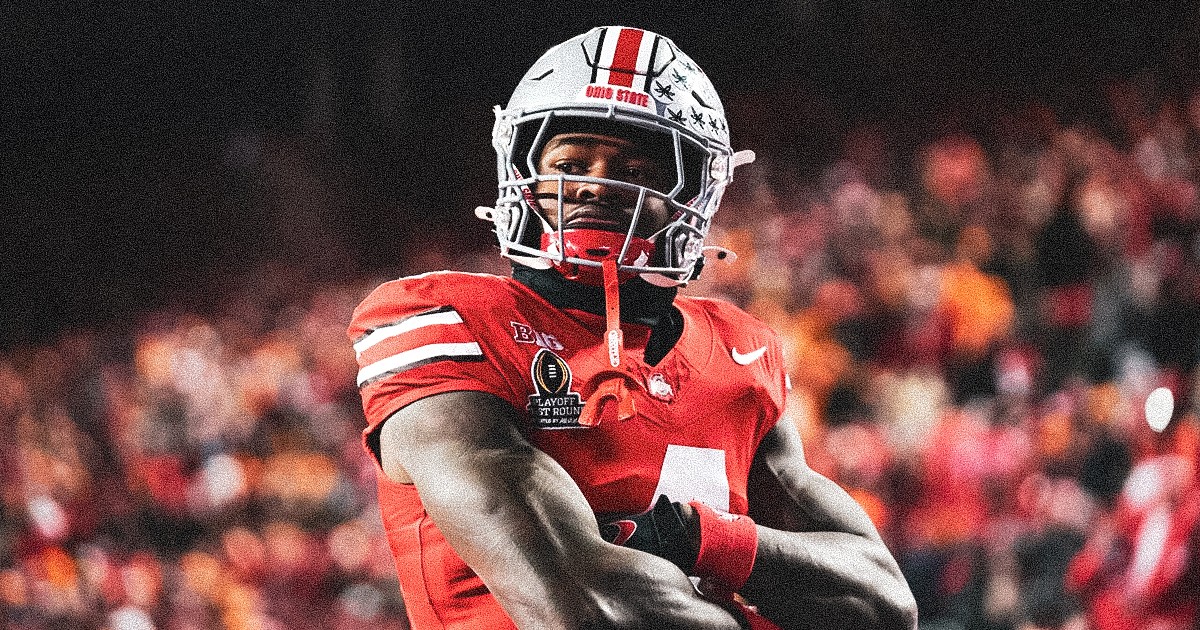
To activate college athletes during football season, choose athletes whose followers match your customers and campuses, lock in talent and contracts before the season peaks, and publish within days of the games fans care about. Amazon used this approach at the College Football Playoff: 54 athletes and 7.9M impressions.
This playbook covers why football season is the highest-leverage window in college sports marketing, a seven-step campus-first activation framework, and how Amazon used it during the College Football Playoff to deliver 7.9M impressions.
Why is football season the best time for athlete marketing?
Football season gives college sports marketing a weekly rhythm no other window matches. Every Saturday resets attention on campus, in the local market and across social feeds.
Brands that plan around that rhythm show up where fans already are. Three things make the fall different:
Local relevance is built in. College football is regional. A campus-first activation puts your brand in front of the students, alumni and local fans who follow that program most closely.
Moments move fast. Rivalry weeks, upsets and playoff runs create attention spikes that last days, not months. Campaigns built for speed capture them. Campaigns built on a fixed calendar miss them.
Athletes carry the attention. Fans follow the players as closely as the teams. Athlete sponsorships turn that attention into sports marketing engagement a brand account cannot earn on its own.
How do you activate college athletes during football season?
Activate college athletes in seven steps: set one objective, map your audience, recruit campus-first, score athletes on fit, build a broad roster with a few headliners, pre-approve everything for speed, and put paid media behind what works.
Define the objective first. Pick one: awareness, traffic or conversions. The objective decides who you recruit, what they post and how you measure it.
Start with your audience, not the roster. Map where your customers live, what they buy and which programs they follow. Then find athletes whose followers overlap with that profile.
Go campus-first. Prioritize athletes in the markets you sell in. A local player with a loyal campus following often outperforms a national name with a scattered one.
Weigh fit beyond the stat sheet. Follower count is a vanity number. Audience fit drives results. A backup with the right audience can outperform a starter. Score each athlete on four criteria:
Audience overlap: location, age and programs followed vs. your customer
Engagement quality: real comments vs. empty likes
Content style: does their feed fit your brand voice
Brand safety: posting history
Use a broad roster for reach, then add a few star players for produced content around big games.
Plan for speed. Pre-approve talent, contracts and briefs before the season peaks. When a team wins big, you want content live within days, not weeks.
Put paid media behind the winners. Track performance at the creative level and move budget toward the posts that work. Cut underperformers early.
What a strong football season brief includes:
Voice rules. Example: keep it casual and first-person, and never read from a script.
Reference content. Example: two or three past posts that show the look and tone you want.
Platform specs. Example: vertical video for Reels and TikTok, with the product on screen early.
Proven paid patterns. Example: the hooks, formats and calls to action that have already won on your paid channels.
What NIL and disclosure rules apply to college athlete campaigns?
Every college athlete campaign needs clear ad disclosure and has to follow the athlete's school and state NIL policies. Review each deal before content goes live.
FTC disclosure on every sponsored post. Use #ad or the platform's paid-partnership label.
School and state NIL policies. Rules differ by school and state, so check them for every athlete on the roster.
No school logos or marks without licensing. Athletes can represent your brand, but school trademarks need separate permission.
How do you measure a football season athlete campaign?
Match your metrics to the one objective you set in step 1. Awareness, traffic and conversions each have their own scorecard.
Awareness: impressions, CPM. Real example: Amazon at the College Football Playoff, 7.9M impressions.
Traffic: CTR, clicks tracked with UTM links. Real example: Amazon at the College Football Playoff, CTR 87% above benchmark.
Conversions: tracked storefront clicks, product page views. Real example: Amazon at March Madness, 71K tracked clicks to the Amazon storefront and product page views up 18%.
What results did Amazon get at the College Football Playoff?
Amazon and Out2Win activated 54 college athletes across 12 schools on Instagram during the College Football Playoff and delivered 7.9M impressions, nearly four times projected reach.
The campaign was built to move at the speed of the playoff. Over 45 athletes were activated on 72 hours' notice to establish early scale. Fast-turnaround produced content featuring high-profile players, including Mark Fletcher, Zabien Brown, Devin Sanchez, Bryce Boettcher and KJ Bolden, then went live within days of playoff wins.
By the numbers:
54 college athletes on Instagram
3-week execution
45+ athletes activated on 72 hours' notice
7.9M impressions, nearly 4x projected reach
Click-through rate 87% above industry benchmarks
The campaign led with awareness and still drove meaningful purchase intent. What made it work: content timed to playoff moments consistently led performance. See how Amazon also ran March Madness and Super Bowl campaigns with Out2Win.
That's the clearest argument for building football season campaigns around real-time moments.
→ Read the full Amazon College Football Playoff case study
How does Out2Win run football season campaigns?
Out2Win Autopilot runs the full activation cycle with 14+ specialized AI agents and human oversight at every stage, so brands can launch a football season campaign in hours instead of weeks.
An agent builds your brand profile from your social presence, site and existing content. Your profile is matched against 400,000+ athletes and creators, and the right talent is invited to submit. Every submission is scored against your criteria. Then three agents handle athlete communications, contracts and creative briefs, while paid media is optimized continuously.
Autopilot vs a manual agency:
Sourcing and outreach: hours with Autopilot, 3 to 5 weeks with an agency
Contracts and briefs: same day with Autopilot, 2 to 3 weeks with an agency
Paid media optimization: continuous with Autopilot, weekly reviews with an agency
Nothing advances on model judgment alone. The Out2Win team reviews and approves every recommended athlete before an offer goes out, and clients can hold that approval themselves.
FAQ
What is athlete marketing activation?
Athlete marketing activation is the process of recruiting athletes, briefing them and publishing branded content through their channels to reach their audience. It covers talent selection, contracts, creative and paid amplification.
How do brands choose the right college football athletes?
Choose athletes by audience fit. Look at audience overlap with your customer, engagement quality, content style and brand-safety history. Follower count alone is a weak signal.
How many athletes should a football season campaign include?
Most campaigns use 5 to 60 athletes, and some use hundreds. Amazon's March Madness campaign used 12. Amazon's College Football Playoff campaign used 54 athletes: a broad roster for scale, led by high-profile players for produced content around key games. See more in Out2Win's campaign outcomes.
How fast can a college football campaign launch?
Fast. In Amazon's College Football Playoff campaign, 45+ athletes were activated on 72 hours' notice, and produced content went live within days of playoff wins.
Why does timing matter in football season campaigns?
Attention peaks around specific games. In the Amazon campaign, content timed to key playoff moments consistently led performance.
How much does a college athlete campaign cost?
Cost depends on five drivers: athlete tier, roster size, deliverables, usage rights and paid amplification. Bigger names, more posts, longer usage rights and a larger paid budget all raise the total.
Do athletes get higher engagement than influencers?
Often, yes. Fans follow athletes for their sport, their school and their story, which builds a more invested audience than most paid creators have. Read why athlete partnerships outperform traditional influencers.
Rivalry weeks, bowl season and the College Football Playoff are still ahead. Start your campaign now and have athletes approved before the moments hit.
→ Start your campaign
